Supply Chain Intelligence
The first living map of your
extended digital ecosystem
Discover hidden connections, measure Digital Proximity™ to your crown jewels, and prioritize risks using AI-driven intelligence.
Supply Chain Intelligence
Discover hidden connections, measure Digital Proximity™ to your crown jewels, and prioritize risks using AI-driven intelligence.


Deep discovery finds domains, IPs, APIs, certificates, shadow apps and supplier infrastructure others miss (up to 50% more findings).

Digital Proximity™ and Trust badges show which suppliers sit closest to your crown jewels so you fix what threatens the business.

Agentic BI adds financial, geopolitical, compliance, and OSINT signals; configurable report templates deliver audit-ready evidence.
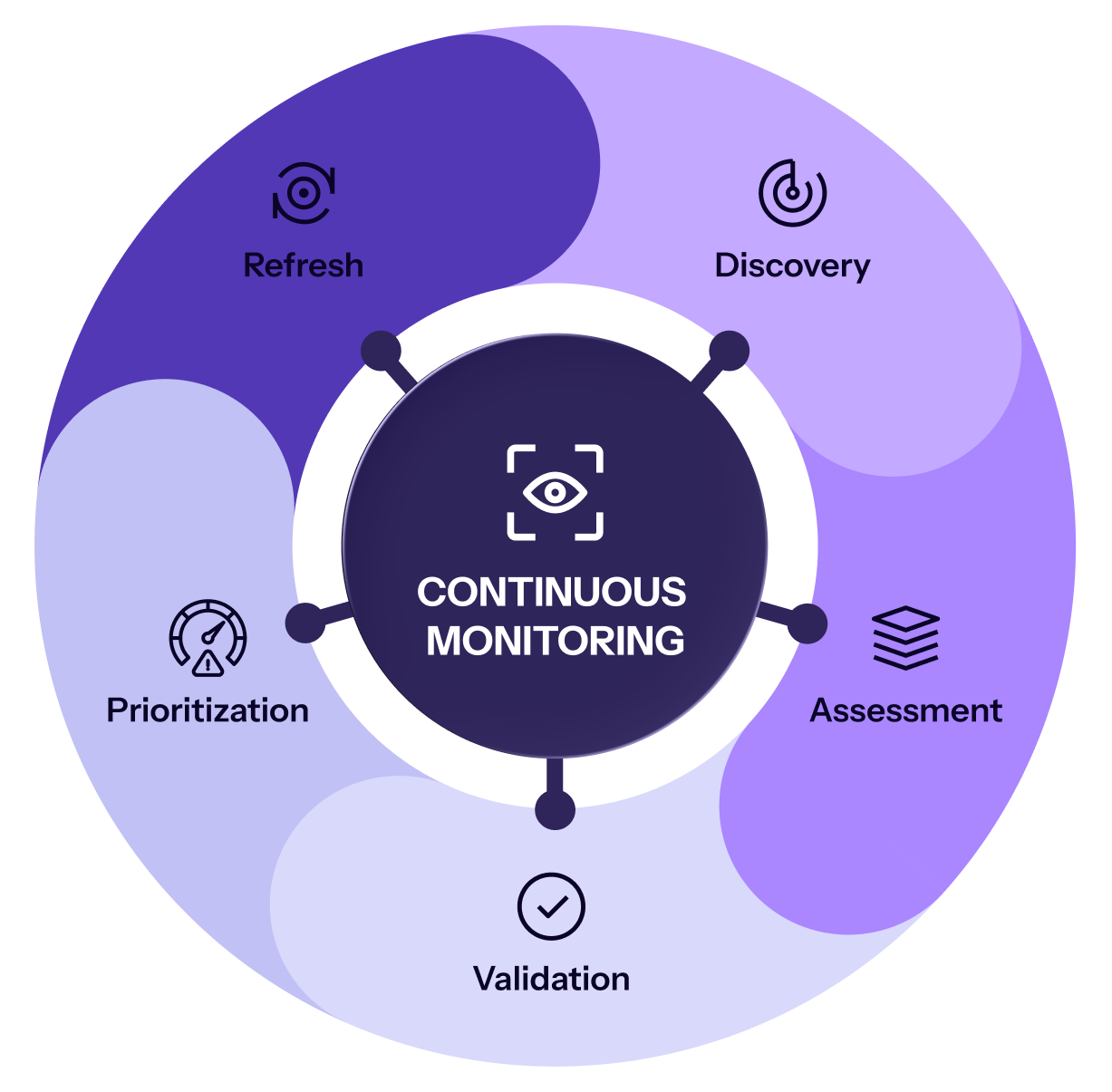
Assets appear, vendors change, and attackers adapt. ThingsRecon continuously helps you find what’s new, see how close it is to your critical systems, validate resilience, and monitor for shifts in posture.


Uncovers exposed assets, including inherited vendor infrastructure, forgotten tooling, and shadow risk.

Scores vendors by exposure and business criticality, mapping Digital Proximity™ to show who’s most deeply embedded in your operations.

Identifies weak spots like outdated logins, insecure APIs, and misconfigurations, giving you a clear resilience scorecard.

Prepares GRC-ready reports and tracks changes over time with continuous scans and real-time alerts.

With deep discovery and supply chain risk management in mind.
See your true digital footprint, including shadow IT, forgotten assets, and supplier exposure. Our agentless, non-intrusive recon is powered by 100+ cyber hygiene indicators and geo-located scanning to map your surface externally. No installations needed.
Explain cyber risk in business terms the board understands. With Digital Proximity™, you prioritize with precision, guided by exposure, business criticality, and supplier connections, not just ratings and scores.
You know it’s out there. But how close is it to your core?
Its technology analyses externally observable digital infrastructure to identify internet-facing assets, uncover supplier relationships and show how exposure connects across an organisation’s wider digital ecosystem.ThingsRecon’s signature metric Digital Proximity™ (Patent Pending) measures how closely a third-party or asset is integrated into your digital surface: technically, operationally, and contextually.
At the centre of the platform is Digital Proximity, ThingsRecon’s patent-pending technology for measuring how closely suppliers and external assets are connected to critical systems. This helps organisations move beyond generic security scores and prioritise risk based on the depth and importance of each relationship.If a CVSS “medium” vulnerability sits on a public-facing asset that’s tightly integrated with a high-value business system… it’s critical to you.
ThingsRecon helps security, risk and resilience teams build a continuously updated view of the assets and dependencies they may not own, control or already know about.
The company is headquartered in the Netherlands and has received the Cybersecurity Made in Europe label issued by Security Delta on behalf of ECSO. ThingsRecon was also placed in the European Leaders area of the ECSO Cyberhive Matrix 2026 under Cyber Threat Intelligence.

Employees often introduce tools outside the approved process — whether for analytics, chat, or productivity. ThingsRecon surfaces embedded third-party scripts, DNS entries, and integrations to reveal shadow SaaS that could pose compliance or security risks.

Your digital surface changes constantly. So does your vendors’. We monitor and prioritize suppliers based on their live exposure across the internet, helping you respond fast to new vulnerabilities or exposed assets.

When acquiring or merging with another company, understanding inherited third-party risk is critical. ThingsRecon maps both direct and indirect vendor exposure, helping you avoid surprises during integration.
Regulations like NIS2, DORA, and the SEC disclosure requirements demand continuous oversight of supply chain risk. Our discovery-first model helps you demonstrate proactive vendor monitoring with mapped connections.
How security teams use supply chain intelligence.
















Everything you need to know about ThingsRecon Supply Chain Intelligence.
ThingsRecon Supply Chain Intelligence is a continuously updated map of the suppliers, assets and digital connections surrounding an organisation. It uses external discovery to identify known and unknown suppliers, including relationships visible through DNS, certificates, scripts, APIs, shared infrastructure and other technical signals. The platform enriches those relationships with cyber hygiene, business, financial, geopolitical and compliance context. Digital Proximity then measures how closely each supplier is connected to critical systems, helping teams distinguish a weak supplier with limited relevance from a deeply embedded dependency that could create significant operational impact. The result supports supplier prioritisation, incident response and evidence-based reporting without relying only on questionnaires or static inventories.
Yes. ThingsRecon can identify supplier relationships that are visible in an organisation’s external digital ecosystem even when those suppliers are absent from procurement or vendor inventories. Evidence may include DNS records, certificates, embedded scripts, APIs, redirects, shared infrastructure, web technologies and other observable connections. A discovered connection does not automatically prove that a supplier is approved, critical or currently contracted. ThingsRecon attaches evidence and confidence context so the organisation can validate the relationship and decide how it should be classified. Once confirmed, the supplier can be monitored and prioritised using cyber hygiene, business intelligence and Digital Proximity, helping teams close the gap between the supply chain on paper and the one operating online.
Yes. ThingsRecon can surface indirect supplier relationships where externally observable evidence connects a known supplier to additional providers, infrastructure or technologies. These fourth-party relationships may include hosting providers, SaaS services, scripts, certificate authorities, shared platforms and other dependencies that sit beyond the organisation’s direct contract. External evidence cannot reveal every contractual or operational dependency, so discovered relationships should be validated with the supplier or internal owners. The value is in exposing plausible indirect connections that may otherwise be absent from traditional TPRM records. Mapping these relationships supports concentration-risk analysis, incident response and prioritisation when a widely used provider or shared technology is disrupted.
ThingsRecon prioritises risk by combining technical exposure with business and relationship context. Findings can be assessed using cyber hygiene, vulnerability severity, asset visibility, supplier intelligence, concentration and Digital Proximity, which shows how closely an asset or supplier connects to critical systems. This avoids treating every high-severity issue or low supplier score as equally urgent. A moderate weakness on a public-facing system that supports a critical service may deserve faster action than a severe issue on an isolated, low-value asset. The platform provides evidence and context for the decision, while the organisation retains control over business criticality, risk appetite and remediation priorities. In practice, teams should record the supporting evidence, confirm ownership and business criticality, and connect the finding to an accountable workflow. This prevents a useful observation from becoming another isolated score or dashboard alert.
Supply chain intelligence software pricing varies according to supplier volume, discovery scope, monitoring frequency, data enrichment, integrations and reporting. A platform that only scores a supplied vendor list is not directly comparable with one that discovers unknown and fourth-party relationships. Organisations should define the outcomes and coverage they need before comparing cost. ThingsRecon provides tailored pricing based on the required digital ecosystem and monitoring scope. In practice, teams should record the supporting evidence, confirm ownership and business criticality, and connect the finding to an accountable workflow. This prevents a useful observation from becoming another isolated score or dashboard alert. In practice, teams should document scope, ownership, supporting evidence and the action expected when the answer changes. This turns the definition into a repeatable part of security and risk management rather than a one-off explanation.